
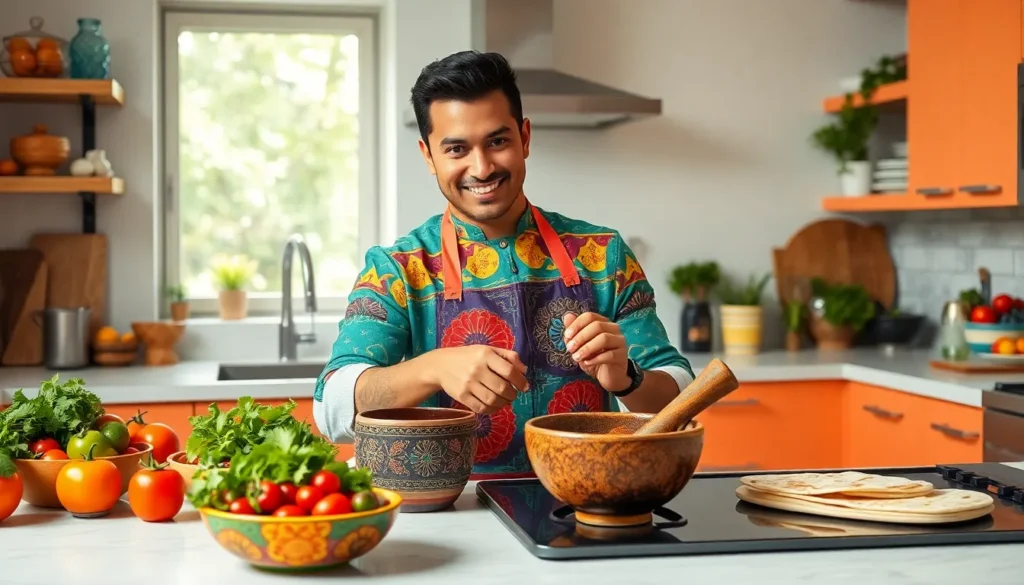
When it comes to culinary adventures, few can match the vibrant joy of Mexican cooking. Whether you’re a novice just stepping into the kitchen or a seasoned chef, mastering the techniques behind Mexican cuisine can transform everyday meals into explosive feasts for the senses. From salsas that sing to moles that dance, exploring these cooking techniques not only tantalizes the taste buds but also invites a fiesta of flavors right into your home. Ready to spice up your kitchen? Let’s jump into the heart of Mexican culinary traditions and uncover the secrets behind them, with a sprinkle of humor to keep things deliciously engaging.
Overview of Mexican Cuisine
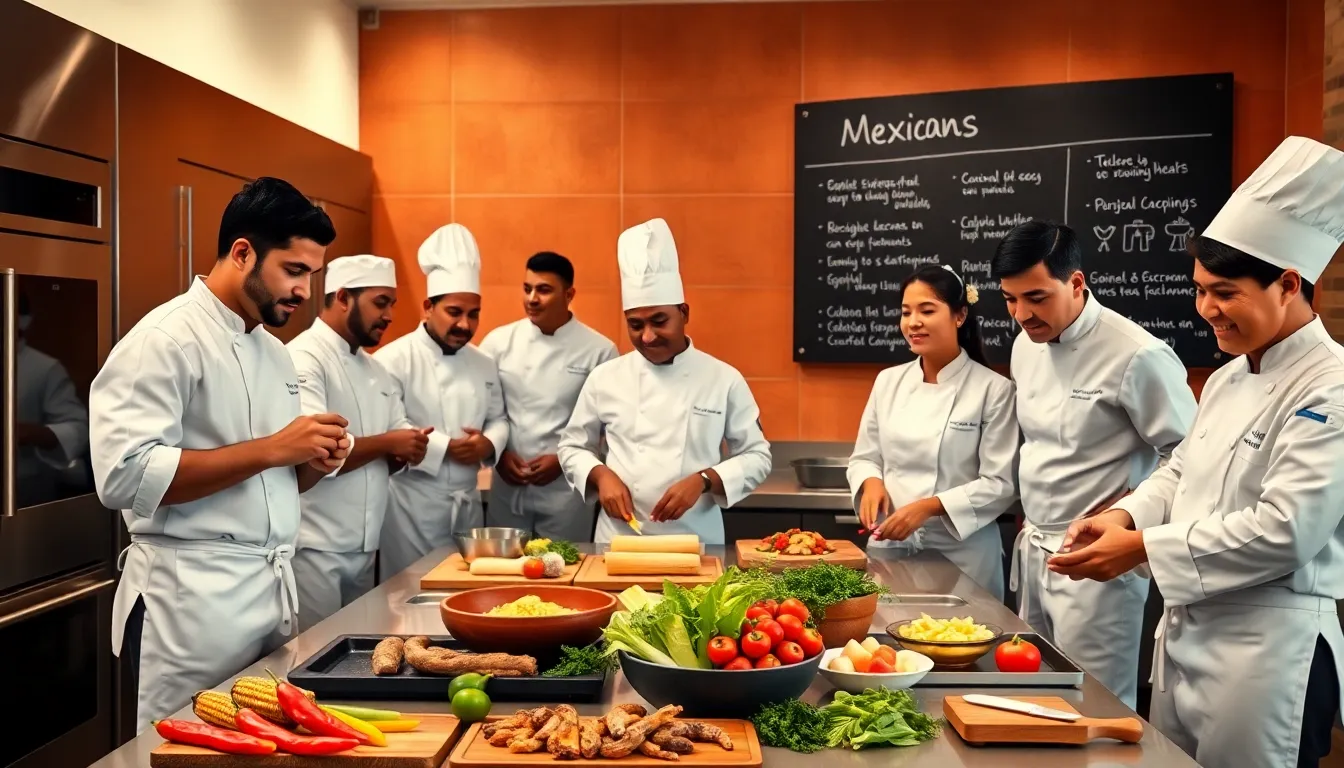
Mexican cuisine is a delightful tapestry woven from diverse cultural threads. Historically influenced by ancient civilizations like the Aztecs and Mayans, its flavors and techniques have evolved through the centuries. Fresh ingredients such as corn, beans, and chilies are fundamental. Each dish tells a story, tacos, enchiladas, and tamales share their lineage with the land and its people.
Central to this culinary landscape is the concept of balance. Ingredients must not only taste good but also complement one another in texture and color.
To truly understand Mexican cooking techniques, one must appreciate the interactions between these components. Traditional dishes aren’t just foods: they are vibrant works of art, reflecting regional quirks and local ingredients. Think of it as a delicious dance where every step matters, a step derived from centuries of shared history.
Essential Cooking Methods
Mexican cooking methods are as varied as the flavors they create. Here are some essential techniques:
1. Nixtamalization
This ancient process involves soaking and cooking corn in an alkaline solution. The result? Enhanced flavor and nutritional value. This technique is crucial for making masa, the foundation for tortillas and tamales.
2. Grilling
Known in Mexico as “asado,” grilling is a go-to method for meats and vegetables alike. The smoky flavor achieved through this technique adds depth to any dish, often served with fresh salsa for that perfect kick.
3. Stewing
Stews like mole or birria are comforting and complex. Slow-cooking allows the flavors to meld, elevating the dish from ordinary to extraordinary. With tantalizing spices coming together, it warms the soul and fills the belly.
4. Sautéing
Quick and effective, sautéing vegetables and proteins unlocks their flavors while preserving texture. It’s an essential step for many dishes, allowing for those delicious caramelization notes that round out the dish.
5. Baking
From sweet conchas to savory tamales, baking offers an array of possibilities. This method showcases the versatility of Mexican cuisine, with plenty of room for experimentation and inspiration.
Traditional Tools and Equipment
Authentic Mexican cooking relies heavily on traditional tools that have stood the test of time. Using the right equipment not only enhances the cooking experience but also ties in cultural significance. Key tools include:
1. Molcajete
This stone mortar and pestle, often used for grinding spices and making salsas, is a kitchen essential. The uneven surface allows for a unique texture and flavor that electric blenders just can’t replicate.
2. Comal
A flat griddle made of cast iron or clay, the comal is used for toasting tortillas and charring vegetables. Its heat retention yields perfectly cooked tortillas with that irresistible smoky flavor.
3. Tortilla Press
For those serious about their tortillas, a tortilla press is a must. It allows for uniform thickness, ensuring they cook evenly and have the right chewy texture.
4. Cazuela
This earthenware pot is great for slow-cooking stews. It gives dishes a distinct taste, thanks to the porous nature of the material, which can absorb flavors over time.
5. Nopalera
A lesser-known but treasured tool, the nopalera is used for preparing prickly pear cactus. It’s a rite of passage for home cooks eager to embrace this quintessential ingredient.
Flavoring and Seasoning Techniques
Creating authentic Mexican flavors requires a deep understanding of its seasoning techniques. Here are key pointers:
1. Fresh Herbs
Cilantro is a powerhouse, while parsley or epazote also finds its home in many dishes. Incorporating fresh herbs at the right stage of cooking enhances flavor without overpowering the main ingredients.
2. Chilies
Ranging from mild to fiery hot, dried and fresh chilies are essential. Toasting dried chilies and grinding them into powders or pastes unlocks their full potential, marrying them perfectly with your dish.
3. Spices
Cumin, oregano, and cinnamon play important roles. They add depth and warmth to dishes, creating that layered flavor profile known in Mexican cuisine.
4. Acidity
Balancing flavors with lime juice or vinegar invigorates the palate. A splash of acidity can transform a dish, lifting it and making it sing with vibrancy.
5. Salsas
Whether they’re red, green, or fruit-based, salsas are the lifeblood of Mexican meals. They can be mild or wild, and making them fresh allows for customization: adjust the heat and ingredients to suit personal preferences.
Cooking for Special Occasions
Mexican cuisine is synonymous with celebration. Here’s how to elevate dishes for those special gatherings:
1. Mole for Celebrations
A complex dish often reserved for significant events, mole can require many ingredients and time. The reward? A dish fit for a king, bursting with flavors that encapsulate the rich history of Mexico.
2. Tamales at Christmas
Making tamales is a tradition often gathered friends and family in the kitchen. Each person can contribute, wrapping up the masa and fillings together, a festive communal activity that celebrates culture and cooking.
3. Tacos for Any Occasion
Tacos can be adapted for any celebration. Vividly colored toppings and a variety of fillings ensure they can suit various tastes, from traditional carne asada to vegetarian options, everyone can join in the taco fiesta.
4. Sweets for Día de los Muertos
This holiday features pan de muerto, a sweet bread shaped to honor deceased loved ones. Emphasizing the connection between life and death, it’s a beautiful way to celebrate with food and memory.
5. Picnics and Grilled Meats
For an outdoor gathering, grilled meats accompanied by fresh salsas and sides resonate with traditions of summer parties. It’s all about gathering around, sharing food, and enjoying each other’s company.
Regional Variations in Techniques
Mexico is a land rich in diversity, and regional cooking techniques vary widely:
1. Oaxacan Techniques
Famous for its rich moles and unique ingredients like chocolate, Oaxacan cooking includes traditional techniques such as stone grinding for sauces. Each salsa tells a story of place and history.
2. Yucatecan Slow Cooking
This region favors slow-cooked dishes like cochinita pibil. The method of wrapping pork in banana leaves and cooking it underground results in succulent meat imbued with local herbs.
3. Northern Grilling
In the north, grilling meats and incorporating local flour tortillas are predominant. This emphasis on charred flavors adds a rustic quality to the cuisine.
4. Coastal Seafood Preparations
On the coasts, fresh seafood reigns. Techniques such as ceviche preparation use acidity and quick marination, preserving the delicate flavors of the ocean.
5. Central Valley Stews
This region is known for hearty stews utilizing local beans and vegetables. Techniques vary from slow-cooking to instant pot methods, adapting traditional flavors to modern conveniences.