
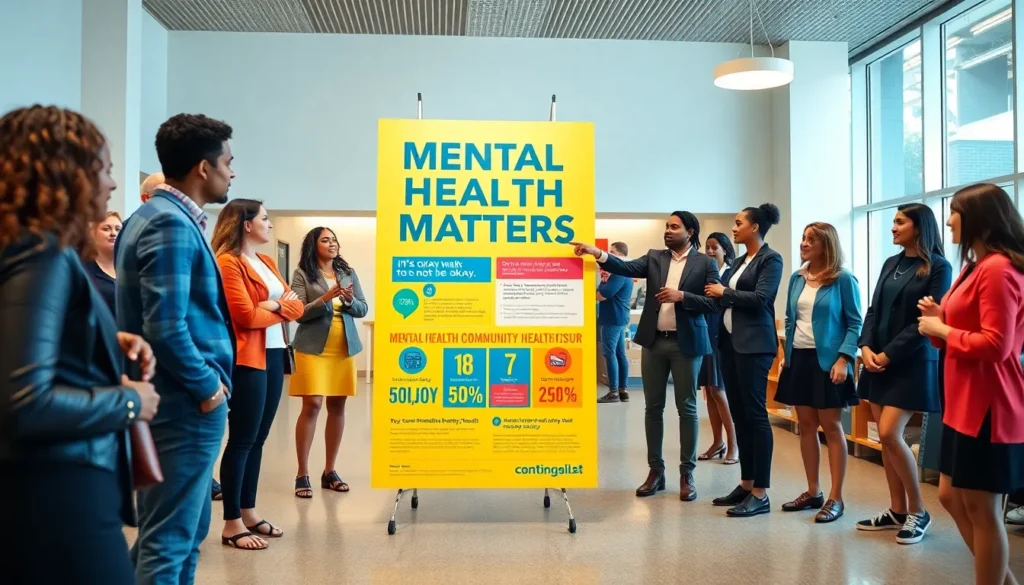
Imagine walking down the street and spotting a bright, eye-catching poster that instantly makes you think about your mental well-being. That’s the power of a ‘Mental Health Matters’ poster. In this guide, we’re diving deep into how not only to craft your very own poster but also to uplift your community’s mental health conversation. Who knew spreading awareness could be this engaging? Grab your markers: it’s time to get creative.
Understanding Mental Health

The Importance of Mental Health
Mental health is not just about the absence of mental illness: it’s a vital part of overall well-being. It influences how individuals think, feel, and act, impacting relationships, work, and day-to-day activities. When people understand and prioritize mental health, they promote resilience and enhance quality of life.
Also, it’s critical to recognize that mental health affects everyone, regardless of age or background. Supporting mental wellness can decrease stigma and encourage open discussions that lead to positive societal changes.
Common Mental Health Issues
Several mental health issues commonly affect individuals, from anxiety disorders to depression and stress-related concerns. Each condition varies in severity and symptoms. Knowing these challenges helps tailor the message on your poster. It’s essential to highlight not just the issues, but also the fact that support is available. Distilling these complexities into digestible bits of information can spark dialogues and lead to effective solutions.
Creating Your Mental Health Matters Poster
Design Elements to Consider
When it comes to designing your poster, think vivid colors and clear text. You want to catch the passerby’s eye while ensuring the messages are easily readable. Use infographics, photographs, or illustrations that resonate with the theme of mental health. Keep in mind that every element should convey your primary message: mental health matters.
Incorporating quotes or statistics can also engage viewers. For example, highlighting that 1 in 5 adults experience mental illness offers a startling yet relatable stat. Think creatively, perhaps even add QR codes that link to valuable resources.
Message and Content Ideas
Creating compelling content is just as crucial as design. The message should be informative yet soothing. Consider phrases like “It’s okay to not be okay” or “Mental health is health.” These affirmational statements promote a sense of understanding and compassion. You might also want to include local resources or hotlines where individuals can seek support. By providing actionable steps, your poster can serve as both a conversation starter and a lifeline.
Distributing Your Poster Effectively
Online Platforms and Social Media
Once you’ve crafted your masterpiece, the next step is spreading the word. Use social media platforms like Instagram, Facebook, and Twitter to share your poster. Hashtags such as #MentalHealthAwareness and #ItsOkayToNotBeOkay can help increase visibility. Encourage friends and family to share, creating a domino effect that could reach a wider audience.
Creating an event, complete with live discussions about mental health, can also generate interest. It becomes an opportunity to showcase your poster while engaging the community in meaningful conversations.
Community Centers and Public Spaces
Don’t neglect physical spaces. Local coffee shops, libraries, community centers, and wellness clinics are prime spots for your posters. Ask permission to display them in high-traffic areas where they can catch the attention of those who might need them most. Also, participating in local fairs or mental health seminars is an excellent way to distribute those posters, making them a part of larger discussions.
Measuring Impact and Engagement
Feedback and Community Involvement
To truly understand the effectiveness of your poster, collecting feedback is essential. Create opportunities for viewers to share their thoughts, be it through surveys or social media comments. This community involvement fosters deeper connections and could provide valuable insights into how your message resonates.
Consider hosting events or workshops to discuss mental health further. Engaging with the community not only spreads awareness but also creates a supportive network that strengthens mental health advocacy.
Sharing Results and Updates
Once you’ve gathered feedback, share your findings. Transparency about what the community feels can keep the momentum going. Whether it’s a new statistic that emerges from your feedback or anecdotal stories of how the poster impacted someone, sharing these updates can energize your efforts.
Consider creating a dedicated social media page to document your journey. This online presence can evolve into a hub for mental health advocacy, allowing for continued engagement and support.