

When it comes to cuisine that dances on the taste buds, Indian cooking techniques take center stage. Picture this: rich saffron-infused biryanis, sizzling tandoors, and the magical alchemy of spices that can turn a simple vegetable into a mouthwatering masterpiece. Even though you might think it involves mystical powers, the truth is, mastering these techniques isn’t just for seasoned chefs. Anyone can jump into the vibrant world of Indian cooking, and with a little guidance, they’ll be impressing dinner guests faster than you can say, “namaste.”
Understanding Indian Cuisine
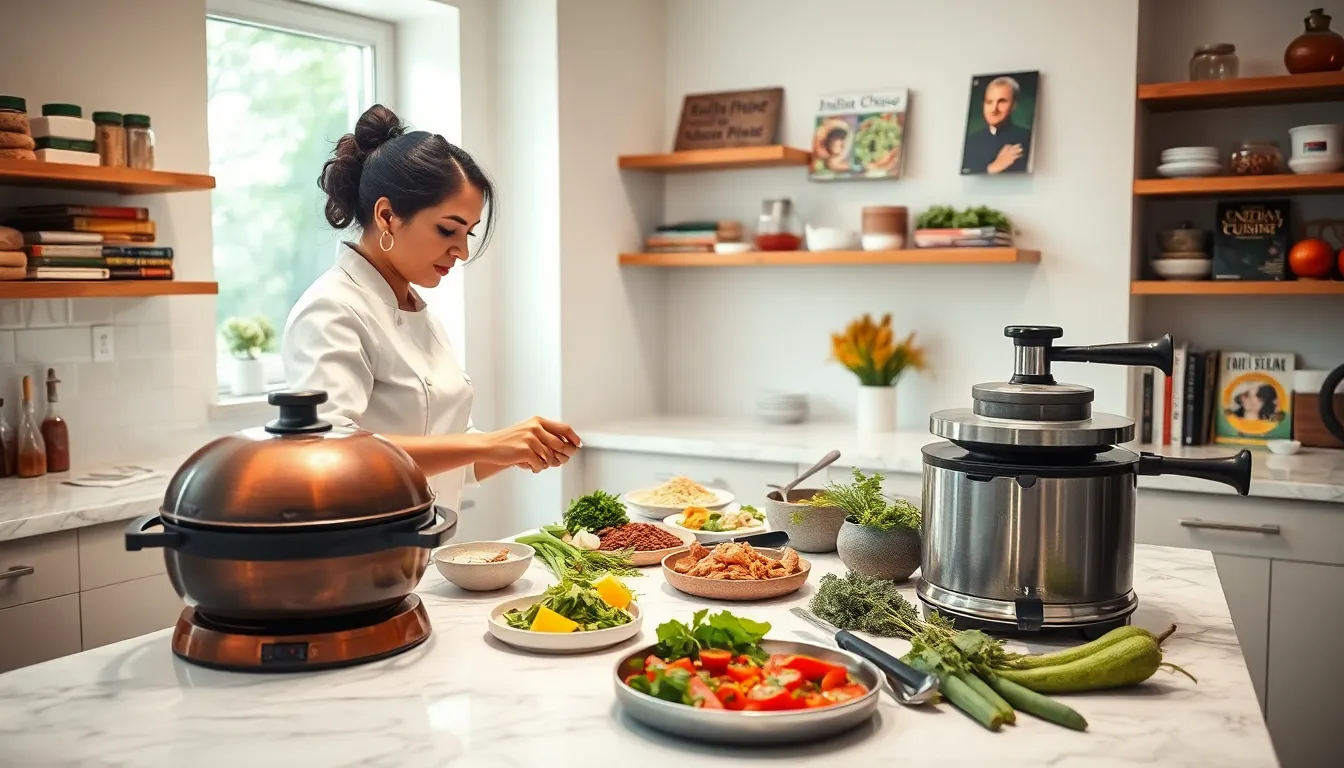
Indian cuisine is nothing short of an adventure. With a rich history that dates back thousands of years, it embodies a blend of tradition, culture, and geography. Each dish carries flavors influenced by a multitude of regional ingredients and customs. Imagine stepping into a bustling market in Delhi or a tranquil kitchen in Kerala. This variety reflects in everything from the types of grains used to the afternoon chai rituals.
Every region offers its unique spin, proving that Indian food isn’t just a meal: it’s a narrative told through ingredients and techniques. Take a moment to appreciate the differences: from the coconut-laden delights of South India to the spicy delights of North Indian curries, every corner of India brims with culinary wealth. Understanding these nuances lays the groundwork for diving deeper into the cooking techniques that bring these dishes to life.
Regional Variations in Cooking Techniques
Just as diverse as its culture, Indian cooking techniques vary wildly from region to region. In the North, you might stumble upon the iconic tandoor oven where bread transforms into soft naan, while in the South, steaming idlis and dosas take the spotlight, showcasing the sheer versatility of techniques.
In West India, especially Gujarat, the art of slow-cooking lends a unique sweetness to their curries, while in East India, seafood is king, prepared using masalas that echo the rhythm of coastal life. Each technique highlights not just the ingredients but also the lifestyle and traditions of its region. This geographical influence isn’t merely a detail: it’s the heart and soul of Indian cooking.
Common Techniques Used in Indian Cooking
Several core techniques define Indian cooking, and mastering them can elevate any home kitchen. First on the list is temperatures. In Indian cuisine, the process known as “tadka” or tempering is crucial. This technique involves heating oil and adding spices to unleash their robust flavors, a ritual that could make even the simplest dal burst with taste.
Next, there’s slow cooking, a method employed in many traditional recipes. Think of the multiple layers of flavor that develop over hours of simmering: it’s the culinary equivalent of a good book that improves the more you read it.
And let’s not forget steaming. Using bamboo or stainless steel steamers, Indian cooking promises healthy meals that still pack a punch. Steaming retains nutrients, ensuring the vibrant green veggies stay crisp and colorful.
Each technique provides a window into the broader culinary practices, adapting to the varied ingredients India has to offer.
Essential Cooking Equipment and Utensils
Have you ever noticed how every cuisine seems to have its essential tools? In Indian cooking, equipment plays a pivotal role in executing the techniques flawlessly. For starters, the cooking pot – often referred to as a “kadai” – resembles a deep frying pan and is perfect for simmering rich gravies.
Then consider the tawa, a flat griddle used for making breads like chapati and paratha: it’s instrumental in achieving that perfect golden-brown crispiness.
A mixie or blender is all but mandatory for grinding spices and creating pastes, infusing dishes with flavor. And let’s not forget the tandoor, if you’re looking to take your cooking to the next level, this clay oven can go from recipes to Instagram superstars in a matter of minutes.
These tools not only enhance the cooking process but also reflect the time-honored traditions that breathe life into Indian kitchens.
The Role of Spices in Indian Cooking Techniques
Imagine a world without spices in Indian cooking, hard to fathom, right? Spices are the heartbeat of Indian cuisine, and their roles go far beyond mere flavoring. Techniques like dry roasting spices, often done in a skillet, help to intensify their aromas and deepen the dish’s character.
Cumin and coriander seeds can be ground fresh or used whole, providing flexibility in texture and punchiness. Besides, spices are often combined in blends like garam masala. Home cooks often keep a keen eye on when to add these aromatic blends, whether they’re tossing them into a sizzling pan or blending them into a creamy sauce.
This careful dance between technique and spices encapsulates the essence of Indian cooking, each selection tells a story, and each method pays homage to age-old traditions.
Health Benefits of Traditional Cooking Methods
In recent years, there’s been a resurgence of interest in health-oriented cooking practices, and traditional Indian techniques align beautifully with this trend. Many of these methods, like steaming and slow cooking, retain essential nutrients while elevating flavor. Traditional curries, often simmered for hours, allow for the effective absorption of spices, which are known for their antioxidant properties.
Also, slow cooking can help minimize the need for excessive oils. Rather than frying, using these methods can lead to meals that not only taste good but also contribute positively to health. With an emphasis on vegetarianism steeped in culture, Indian cooking techniques highlight grains, legumes, and fresh produce that form the backbone of nutritious diets.