
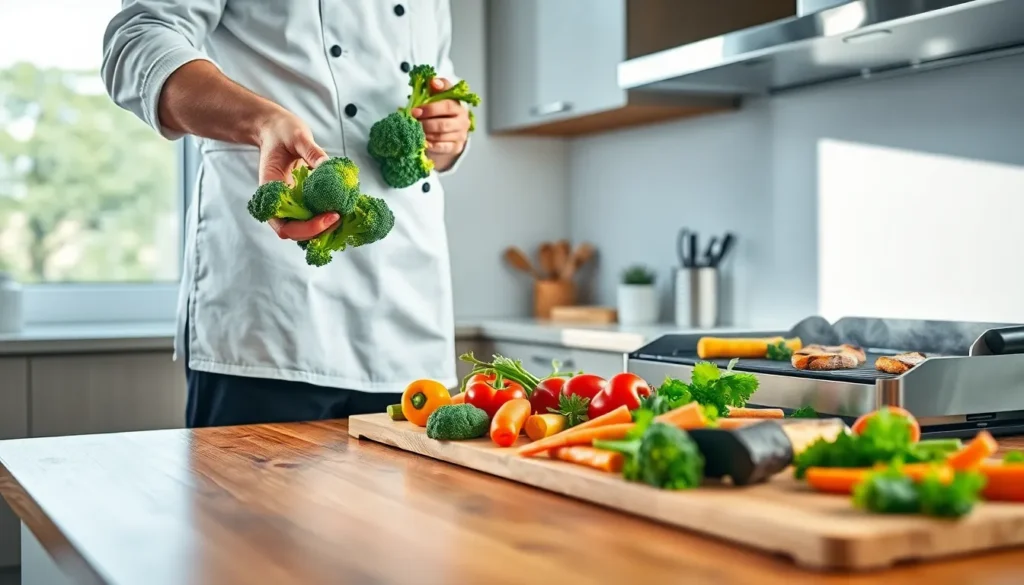
When it comes to cooking, many people think healthy means bland, boring meals. But that’s far from the truth. Imagine biting into a vibrant, spice-infused dish that not only excites your taste buds but also fuels your body with nutrients. That’s the beauty of healthy cooking techniques. Kicking off your culinary journey with the right skills can transform ordinary meals into extraordinary experiences. So, let’s jump into the world of flavors, nutrients, and some clever cooking methods that keep the taste while cutting the calories.
The Importance Of Healthy Cooking Techniques

Understanding Nutritional Benefits
Healthy cooking techniques aren’t just about avoiding fats or hidden sugars. They promote the retention of essential nutrients, allowing your meals to provide the most benefits. By opting for cooking methods like steaming or grilling, you preserve vitamins and minerals that boiling or frying might strip away. Cooking with high heat doesn’t always ruin nutrients, but it can alter the flavor and color of foods. Knowing the right technique can make a world of difference in your health journey.
Enhancing Flavor Without Extra Calories
Flavor is often sacrificed at the altar of health, leaving people munching on bland veggies. But, healthy cooking techniques can enhance the natural flavors of your ingredients without piling on unnecessary calories. Think about it: a sprinkle of fresh herbs or a dash of citrus zest can liven up a dish. The secret lies in using the right techniques that help unlock those flavors instead of concealing them.
Common Healthy Cooking Techniques
Steaming
Steaming might sound simple, but it’s one of the most effective methods to retain nutrients while cooking. Veggies like broccoli or carrots shine when they’re steamed, keeping their bright colors and health benefits. This technique is quick, easy, and doesn’t require any added fats.
Baking
Baking not only changes the texture but also elevates flavors to a whole new level. Opt for whole grains, lean proteins, and fresh vegetables to create baked dishes that thrill the palate. Roasting veggies brings out their natural sweetness while minimizing the need for excessive oils.
Grilling
Grilling might evoke images of summer BBQs, but it’s also a fantastic healthy cooking technique. It impart smoky flavors to meats and veggies without adding unnecessary fat. Plus, the high heat helps caramelize natural sugars, enhancing taste without the calorie count.
Sautéing
With just a little bit of oil and some heat, sautéing brings life to ingredients. This technique keeps produce crispy while enhancing flavors through browning. Use a non-stick pan or a simple splash of broth to keep calories in check without sacrificing taste.
Slow Cooking
For those who prefer a hands-off approach, slow cooking is a gem. Toss ingredients in the pot, set it, and forget it. This method creates tender, flavorful meals that allow spices and aromas to meld without much effort. Also, it’s perfect for making healthy stews and soups that can be packed with vegetables and lean proteins.
Using Herbs and Spices
What’s the best way to set your healthy dishes apart? The answer is simple: herbs and spices. These flavor enhancers not only add depth to meals but also come packed with antioxidants and health benefits. Instead of butter or heavy sauces, think about infusing dishes with fresh basil, oregano, turmeric, or cayenne pepper. Not only does it add flavor, but many spices have anti-inflammatory properties too. Experimenting with different combinations opens up a world of culinary creativity. The beauty lies in the balance of flavor and nutrition.
Substituting Ingredients For Healthier Options
Sometimes just swapping out a few ingredients can make a sizable difference in health while retaining the flavor profile. For example, using Greek yogurt instead of sour cream can significantly reduce calories while adding creaminess. Consider alternatives like quinoa instead of rice or zoodles instead of pasta for added fiber and nutrients. It’s about making small changes that collectively lead to a healthier lifestyle without feeling deprived. Adapting favorite recipes becomes an exciting challenge rather than a restriction.
Meal Planning And Preparation Tips
Planning meals ahead can be a game-changer for anyone looking to maintain a healthy diet. Creating a weekly meal plan helps avoid the chaos of last-minute decisions, which often lead to unhealthy takeout. Prep vegetables in advance, marinate proteins overnight, or batch-cook grains to make weeknight dinners a breeze. Having a few go-to healthy recipes on hand takes the stress out of cooking. Plus, it reveals those delightful skills you didn’t realize you had. Meal prep doesn’t have to be tedious: think of it as a fun way to explore new recipes and create a menu that excites you.