
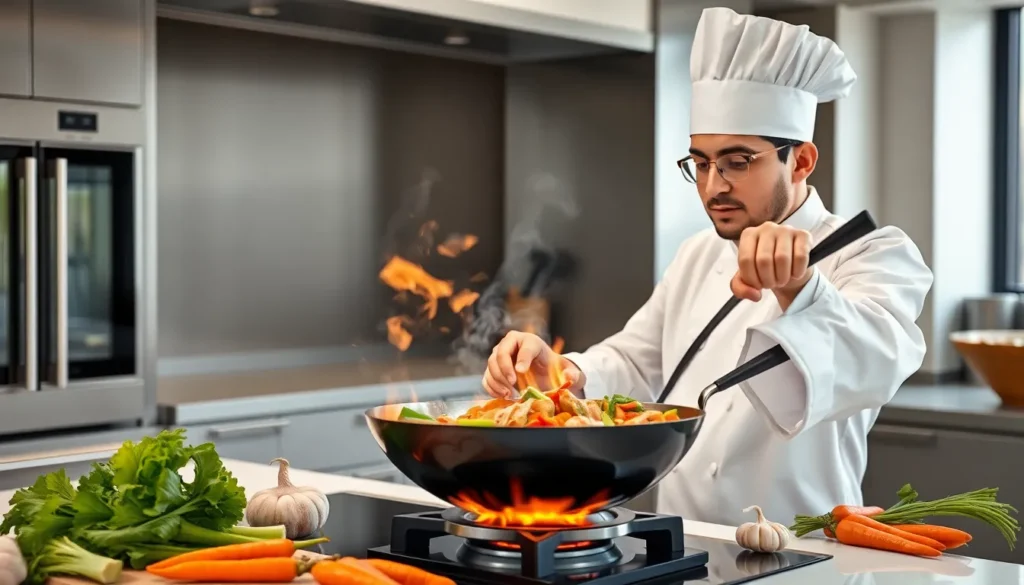
If you’ve ever tasted a Chinese dish bursting with flavor, you know that it’s about more than just throwing ingredients in a pot. Chinese cooking techniques have secrets that can transform simple dishes into culinary masterpieces. Whether it’s the sizzling sound of stir-frying or the alluring aroma of steaming, these methods are about bringing out the best in every ingredient. In this text, we’ll take a deep jump into essential Chinese cooking techniques, helping you elevate your culinary skills while saving you from some kitchen disasters. Let’s get sizzling.
Essential Chinese Cooking Methods
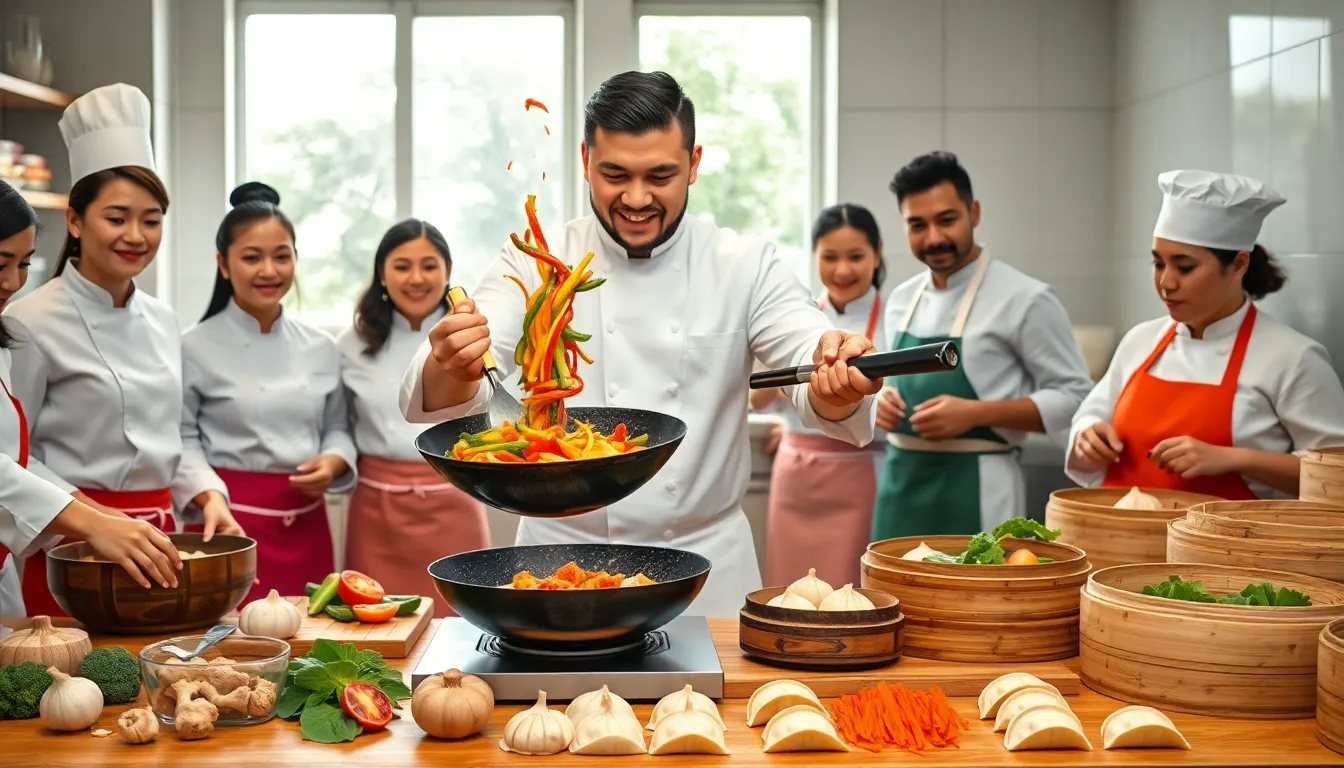
Chinese cuisine is renowned for its flavor, color, and presentation, employs a variety of cooking methods, each with its distinct purpose. Mastering these techniques can significantly elevate one’s cooking game.
Stir-Frying
Stir-frying is perhaps the most famous Chinese cooking technique, and it’s easy to see why. This method involves quickly cooking food in a small amount of oil over high heat while stirring continuously. The rapid cooking time retains the color, texture, and nutrients of the ingredients, making dishes vibrant and healthy.
To get started, a good wok is essential. Its shape allows for even heat distribution and a large cooking surface, perfect for tossing ingredients without spilling. Some classic stir-fry dishes include beef with broccoli and chicken chow mein, showcasing how this technique can bring out the best in vegetables and proteins alike.
Steaming
If there’s a healthier cooking method, steaming takes the prize. Chinese cuisine frequently employs steaming to create light, flavorful dishes without the need for excessive oil. This method works beautifully for dumplings, fish, and vegetables, preserving their natural flavor and nutrients.
Using a bamboo steamer can enhance the experience. It adds a subtle aroma while allowing steam to circulate freely. Try dim sum or steamed bao buns for a delightful taste of this technique’s magic.
Boiling and Poaching
Both boiling and poaching are vital in Chinese cooking, especially for preparing stocks, soups, and broth-based dishes. Boiling is usually used for pasta-like noodles or blanching vegetables, while poaching involves cooking delicate proteins like chicken or fish gently in seasoned broth. This method allows them to absorb flavors without losing moisture.
A bowl of wonton soup is a prime example, as it showcases the balance of tender wontons and fragrant broth, all thanks to the boiling and poaching techniques that brought them together.
Braising and Red Cooking
Braising is a slow-cooking technique that infuses dishes with complex flavors. This method typically involves searing the meat first, followed by cooking it slowly in a mixture of soy sauce, spices, and sometimes sugar, this is known as red cooking.
Classic dishes like red-braised pork belly are perfect illustrations of this delightful technique, with the meat becoming tender and imbued with rich flavors. The time invested in the braising process is well worth the wait, as it transforms simple ingredients into hearty, savory meals.
Deep-Frying
Deep-frying is another cornerstone of Chinese cooking, celebrated for its ability to yield crispy, delicious textures. It’s particularly popular in Chinese street food culture, where everything from spring rolls to golden fried rice balls captures the hearts (and taste buds) of food enthusiasts.
To deep-fry effectively, one must select the right oil and maintain the optimal temperature. Around 350 to 375 degrees Fahrenheit is ideal. This ensures the outside becomes crispy while the inside remains tender. Adding a hint of seasoning to the batter or coating can further enhance the flavor profile.
Expect mouthwatering delights like crispy sweet and sour pork, which relies on deep-frying for that perfect crunch. This indulgent technique, when executed correctly, transports diners to bustling dim sum parlors or vibrant night markets.
Specialized Techniques
While those standard techniques form the backbone of Chinese cooking, specialized methods can take dishes to a new level.
Slow Cooking
Slow cooking is a charming technique that allows flavors to meld beautifully. Typically used for tougher cuts of meat, the low heat over a longer cooking period tenderizes and infuses the ingredients with intricacies that quick cooking simply can’t achieve. Think of a cozy bowl of Chinese-style beef stew: the combination of spices and meat slowly simmering creates layers upon layers of depth.
Smoking
Smoking is one of the more traditional techniques that has found its way into modern kitchens. It involves using wood chips to infuse dishes with a unique flavor, lending a smoky profile to meats and even vegetables. Chinese tea smoking, for instance, uses a combination of tea leaves, rice, and sugar for a rich and aromatic finish.
Fermenting and Pickling
Fermentation and pickling are deeply rooted in Chinese culinary traditions. This method not only preserves food but also adds a delightful tanginess. Fermented black beans and pickled vegetables are common ingredients in many dishes, enhancing flavor without overpowering the palate.
Take a moment to appreciate items like pickled mustard greens or fermented tofu, which serve as excellent condiments that amplify the overall dining experience, proving that sometimes, it’s what you add that makes all the difference.