

Cooking is not just about mixing ingredients: it’s an adventure where precision meets creativity. Let’s be honest: mastering basic cooking techniques can elevate you from microwave meals to culinary masterpieces faster than you can say ‘bon appétit.’ Whether you’re looking to impress friends at your next dinner party or simply want to avoid the dreaded takeout, understanding fundamental cooking methods is crucial. Buckle up as we jump into the world of basic cooking techniques that will make you feel like a professional chef, without the need for a fancy hat.
Understanding Cooking Methods
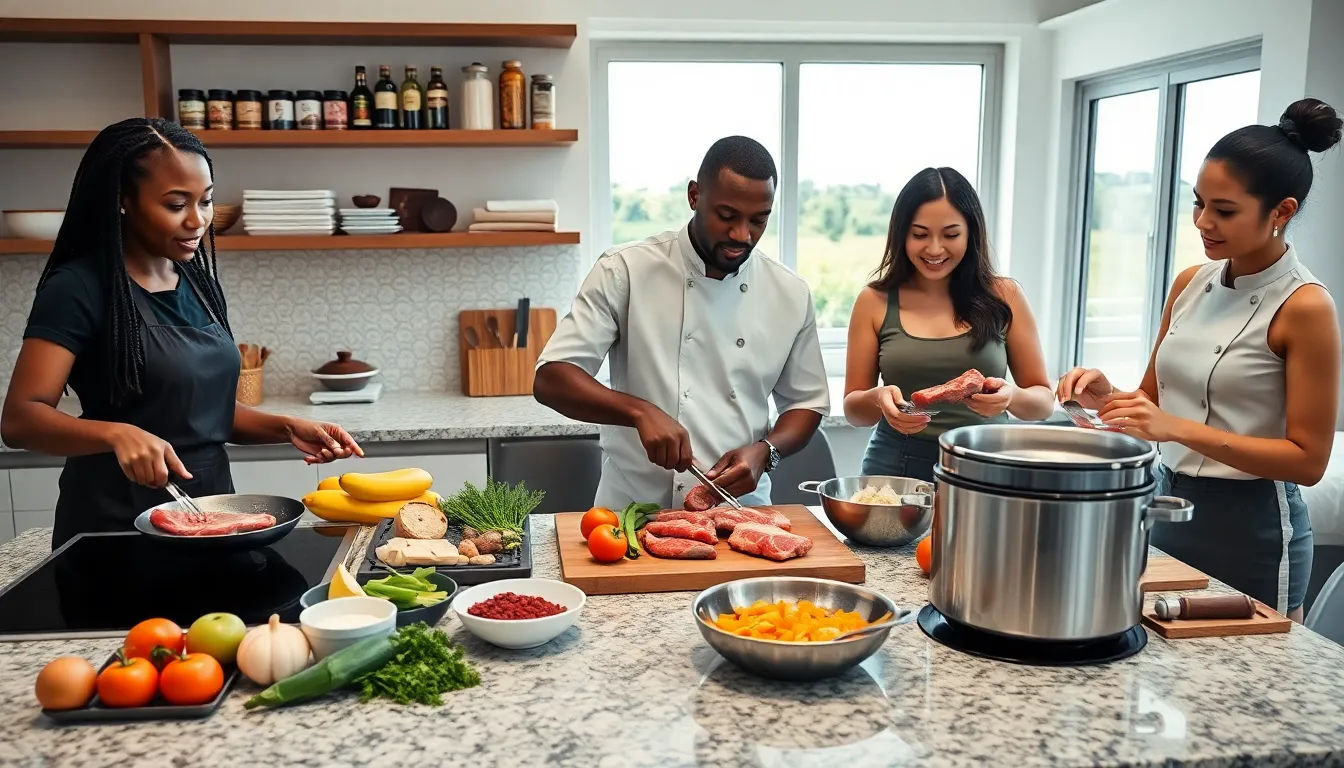
Cooking is an art and a science, and understanding different methods is key to developing culinary skills. The primary cooking methods can be grouped into three categories: dry heat, moist heat, and combination techniques. Each method impacts flavor, texture, and overall dish quality.
First, let’s address dry heat cooking methods. These techniques use hot air or fat to cook foods, generally resulting in a crispy, golden-brown exterior. Think roasted vegetables or seared steak. They enhance the inherent flavors of the ingredients, creating a satisfying taste experience. In contrast, moist heat cooking methods involve water or steam, which can help maintain moisture in dishes. This method is perfect for tenderizing tough cuts of meat and making fluffy grains.
Finally, combination cooking methods use both dry and moist techniques, often bringing out the best in ingredients. By mastering these methods, any aspiring cook can find joy in the kitchen.
Knowing which method to choose for different foods can be the difference between a mediocre meal and a mouthwatering dish.
Dry Heat Cooking Techniques
Dry heat techniques include baking, roasting, sautéing, frying, broiling, and grilling. Each has unique advantages, but they all excel at enhancing flavors through caramelization and browning.
Baking
Baking involves cooking food using dry heat in an oven. It’s commonly associated with bread, cakes, and pastries, think of the transformative power of baking bread from simple dough to a fluffy loaf. This technique relies on the heat circulation within the oven, creating a consistent temperature that’s crucial for even cooking.
Roasting
Roasting is similar to baking but typically applied to meats and vegetables. As the food cooks, the outer layer caramelizes, developing rich flavors. A well-roasted chicken with crispy skin is the stuff of legends, and it’s easier than it seems. Just remember to baste for extra moisture and flavor.
Sautéing and Stir-Frying
Sautéing uses a small amount of fat over medium to high heat, cooking food quickly while preserving its texture and color. Stir-frying is a faster technique, employing high heat and constant movement (think of it like a dance with your ingredients.). Great for vegetables, it keeps them vibrant and crispy.
Frying
Frying, whether shallow or deep, is also a popular dry heat method. Both techniques result in crispy textures, making them favorites for foods like fries and doughnuts. But, vigilance is key. Keeping oil at the right temperature ensures crispy bites instead of greasy flops.
Broiling and Grilling
Finally, broiling and grilling expose food to high heat directly, achieving char and flavor. Broiling cooks from above, perfect for melting cheese or crisping the top of casseroles. Grilling, meanwhile, imparts delightful smoky flavors to meats and veggies. Who can resist a perfectly grilled burger?
Moist Heat Cooking Techniques
Moist heat methods include boiling, steaming, poaching, and braising. These techniques are invaluable when it comes to keeping food moist and tender.
Boiling
Boiling entails immersing food in rapidly bubbling water. It’s the go-to method for pasta and vegetables: but, it can lead to nutrient loss, so it’s essential to time it right.
Steaming
Steaming preserves nutrients better than boiling, as food cooks over boiling water rather than in it. This technique is excellent for vegetables and fish, keeping them tender and flavorful without added fats.
Poaching
Poaching involves gently simmering food in liquid, usually water, broth, or wine. Eggs and delicate fish are classics enjoyed through this method, allowing rich flavors to develop while ensuring a moist texture.
Braising
Braising combines moist and dry techniques, starting with browning the food (often meat) and then simmering it in liquid until it’s fork-tender. It’s a great way to maximize flavor in dishes like stews and pot roasts.
Combination Cooking Techniques
Combination cooking techniques seamlessly blend dry and moist heat methods to create complex flavors and textures.
Stewing
Stewing involves simmering small pieces of food, usually meat, in liquid over low heat. This method enhances flavors through gradual cooking, resulting in a satisfying, rich dish. It’s the soul of a hearty beef stew where patience yields delicious results.
Casserole
Casseroles commonly use combining techniques. Ingredients are layered and baked in a single dish, allowing flavors to meld while maintaining a moist environment. They often involve initial sautéing or browning followed by baking, perfect for convenience and comfort.
Essential Cooking Tools and Equipment
To execute various cooking techniques effectively, it’s vital to have the right tools.
Knives
A good chef’s knife is essential for chopping, slicing, and dicing, aiding in preparation for nearly every cooking method.
Cookware
Investing in quality cookware, whether a good skillet for sautéing or a sturdy pot for boiling and stewing, pays off in flavor and ease.
Measuring Tools
Accurate measurements are key in cooking, especially in baking. Measuring cups and spoons ensure recipes turn out as intended.
Tips for Mastering Cooking Techniques
Mastering basic cooking techniques takes time and practice. Here are a few tips to make the journey easier:
- Practice, Practice, Practice: The more familiar one becomes with various methods, the more intuitive cooking will feel.
- Start Simple: Choose straightforward recipes when starting out. As confidence grows, tackle more challenging dishes.
- Don’t Fear Mistakes: Every cook has had culinary flops. Embrace the learnings: they’re part of the journey.
- Read Recipes Thoroughly: Before diving in, understanding each step can save time and prevent surprises.