
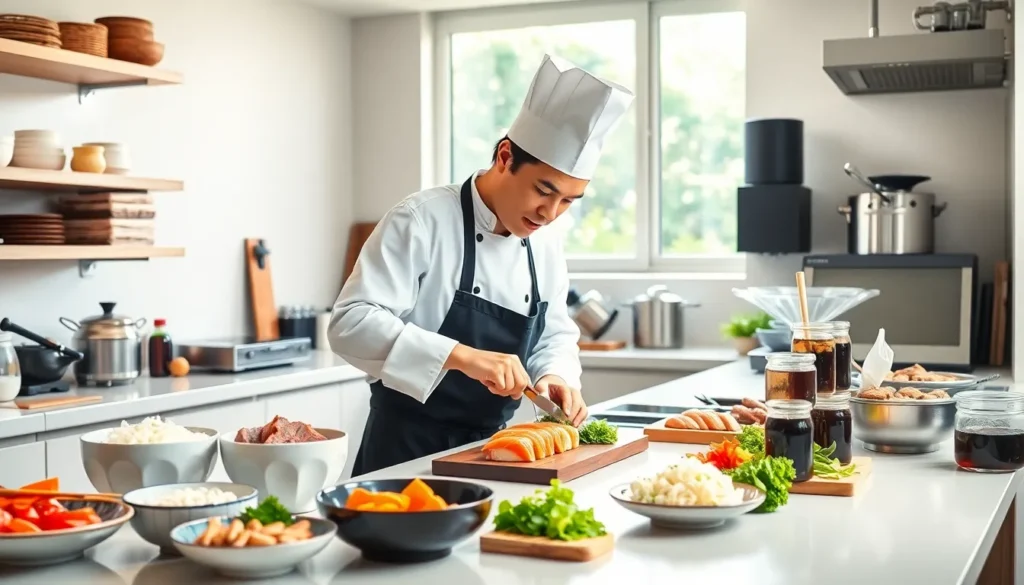
If you’ve ever savored sushi or slurped up a bowl of ramen, you may have wondered what makes Japanese cooking so spectacular. It’s not just the fresh ingredients, though that’s a big part of it. Japanese cooking techniques are a fascinating blend of tradition, precision, and artistry that can elevate even the simplest dish into a culinary masterpiece. Ready to jump into this delicious world? Let’s break down the techniques that make Japanese cuisine a favorite around the globe, and maybe even inspire a few laughs along the way.
Overview of Japanese Cooking Techniques
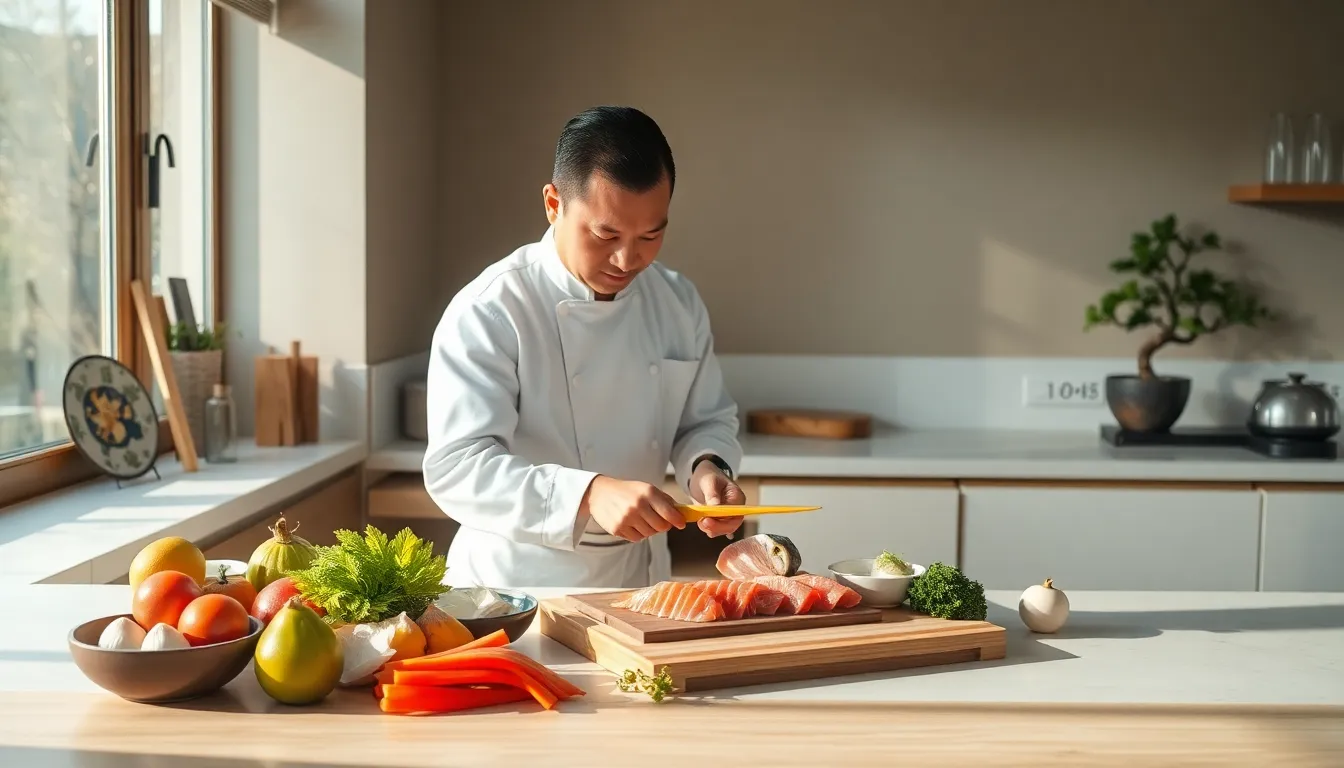
Japanese cuisine is as much about culture as it is about food. At its core, the techniques used are often focused on enhancing the natural flavors of the ingredients. From sashimi to simple steamed vegetables, the aim is to bring out the best in each component. Key principles include seasonal ingredients and a deep respect for freshness. Whether it involves grilling, simmering, or frying, there’s an underlying philosophy: cooking should highlight the inherent qualities of food, rather than masking them with overpowering flavors.
Traditional Cooking Methods
In Japan, cooking often relies on methods that have been perfected over centuries. Here are some traditional techniques worth exploring:
Sushi and Sashimi Preparation
Sushi isn’t just about raw fish: it’s an art form. The rice is usually seasoned with vinegar, sugar, and salt, and precision is key. Slicing fish for sashimi requires skill, as the presentation matters just as much as taste.
Grilling (Yakitori)
Yakitori refers to grilled chicken skewers, but the method can be applied to various ingredients. It beautifully illustrates the principle of simple seasoning, often just with salt or a soy-based sauce.
Simmering (Nitsuke)
Many dishes use nitsuke, a technique involving simmering ingredients like fish or vegetables in soy sauce, mirin, and other seasonings. This method allows flavors to meld deliciously over low heat.
Steaming (Mushi)
Steaming retains nutrients and ensures food is light and healthy. Dishes such as chawanmushi (steamed egg custard) exemplify this technique, showcasing how simple ingredients can create something sublime.
Essential Ingredients in Japanese Cuisine
A deep understanding of cooking techniques also includes knowledge of essential ingredients. Here are the staples:
- Rice: The cornerstone of Japanese meals. High-quality short-grain rice is vital for sushi.
- Soy Sauce: This fermented condiment adds umami depth to almost any dish.
- Miso: A fermented soybean paste, miso enriches soups and marinades.
- Dashi: This stock serves as the flavor base for many traditional dishes. Made typically from kombu (seaweed) and bonito flakes, dashi is unmatched for depth.
- Sesame Oil: Used sparingly, it adds a distinctive flavor to dressings and dipping sauces.
Mastery of these ingredients sets the stage for mastering Japanese cooking.
Popular Cooking Techniques Explained
Japanese cooking offers various popular techniques, each with unique charm and application:
Tempura
This method of deep-frying seafood and vegetables in a light batter creates crispy textures that are simply unparalleled. The key is in the temperature of the oil and the batter’s lightness, too heavy, and it’s no longer tempura.
Braising (Nikujaga)
A traditional dish often made with meat and potatoes, nikujaga is braised slowly, allowing flavors to develop over time. It’s comfort food at its finest.
Stir-Frying (Yaki)
While stir-frying is common worldwide, Japanese cooks use it to prepare dishes like yakisoba (fried noodles), where the technique speaks to the quick preparation and full flavor punch.
Regional Variations in Japanese Cooking
One of the most fascinating aspects of Japanese cooking is its regional diversity. Different areas of Japan have distinct culinary traditions influenced by local ingredients and historical factors:
- Kanto: Known for its soy sauce-based dishes and sushi, particularly Edo-style nigiri.
- Kansai: Celebrated for its use of miso and emphasis on dashi, with iconic dishes like okonomiyaki and kitsune udon.
- Hokkaido: Features fresh seafood and dairy, including the famous ramen varieties that are distinct to this northern region.
- Kyushu: Renowned for its spicy dishes and rich flavors, particularly in its tonkotsu ramen.
Modern Adaptations of Traditional Techniques
In recent years, many chefs have adapted traditional Japanese techniques to create contemporary dishes. These adaptations often incorporate global influences while maintaining a foundation in Japanese flavors. For example:
- Fusion Sushi: California rolls have introduced a creative twist, appealing to a broad audience while retaining sushi’s core.
- Gastronomic Techniques: Chefs use sous-vide cooking and molecular gastronomy, bringing innovation to classic dishes.
- Plant-Based Variations: As dietary preferences evolve, chefs are experimenting with plant-based ingredients, showcasing the versatility of traditional methods without compromising on flavor.